

A new study from the Medical University of South Carolina finds that fish oil supplements may hinder brain recovery after repeated mild traumatic brain injuries, challenging their widespread promotion as neuroprotective.
How EPA in fish oil interferes with brain healing
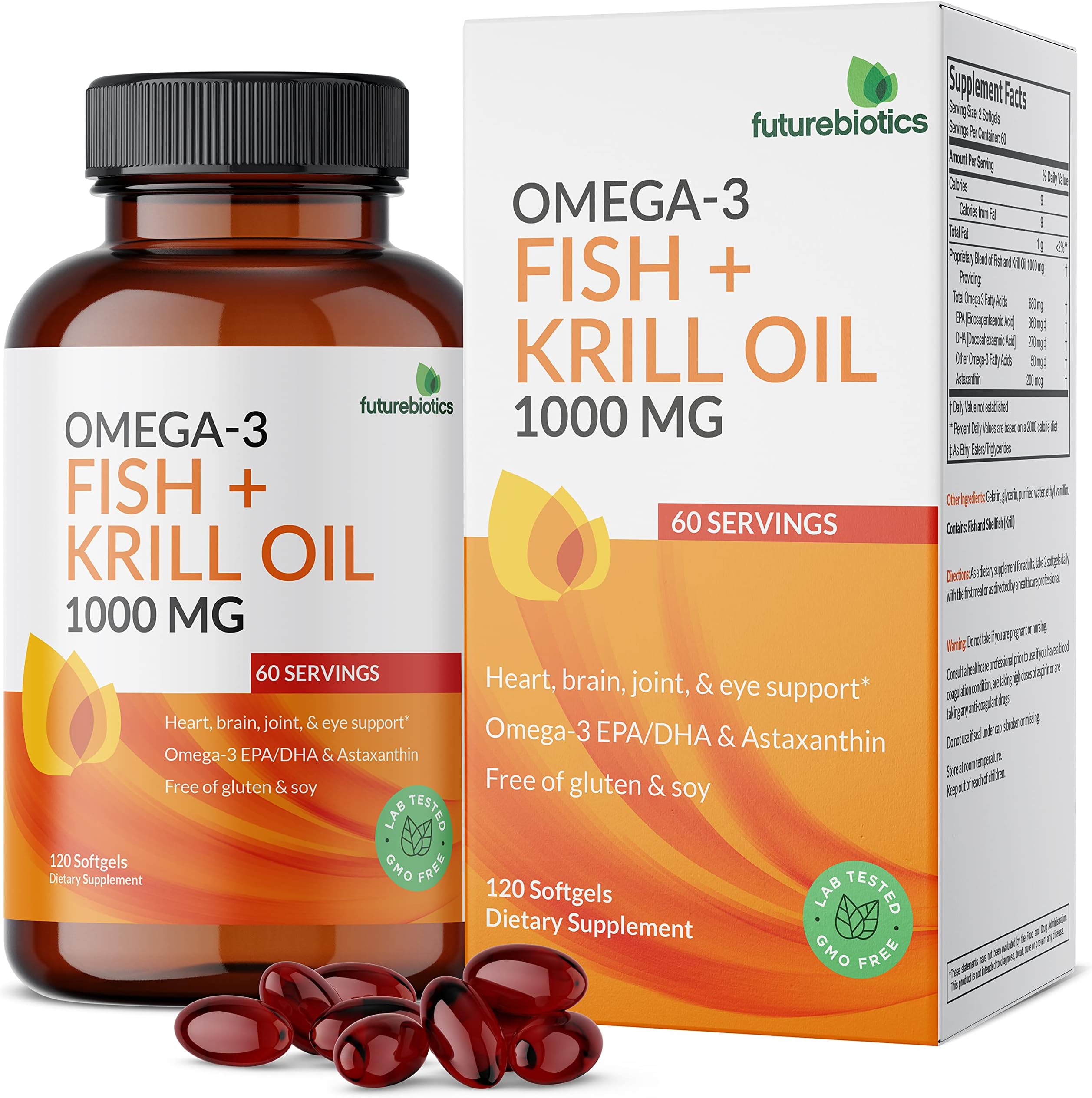
Researchers led by neuroscientist Onder Albayram identified eicosapentaenoic acid (EPA), a primary omega-3 fatty acid in fish oil, as a potential weak point in brain recovery. In experimental models, higher brain levels of EPA were linked to weaker repair of blood vessels following injury. This effect appears context-dependent, meaning EPA’s impact varies based on duration of exposure and surrounding biological conditions, unlike docosahexaenoic acid (DHA), which is well established as beneficial for neuronal membranes.
Why long-term omega-3 effects on the brain remain unclear
The study highlights a growing gap between the popularity of omega-3 supplements and scientific understanding of their long-term neurological impact. According to Fortune Business Insights, fish oil is now consumed not just in capsules but similarly in drinks, dairy alternatives and snack products, increasing exposure. Albayram noted that people often take these supplements without clear knowledge of their long-term effects, and the brain’s resilience or resistance to omega-3s remains unproven in neuroscience.
How the study connects diet to brain biology and recovery
To examine the relationship between diet and healing, researchers used mouse models to assess how long-term fish oil use influenced the brain’s response to repeated mild head impacts. Their focus was on biomarkers tied to blood vessel stability and repair, revealing that EPA accumulation disrupted these processes under conditions of repeated injury. This marks one of the first studies to directly link omega-3 metabolism to vascular recovery in the brain after trauma.
Should people stop taking fish oil supplements?
The study does not recommend discontinuing fish oil use but suggests caution, especially for individuals with a history of repeated mild traumatic brain injuries, as EPA may interfere with recovery under certain conditions.
Is DHA also harmful to brain recovery?
No, the research indicates that docosahexaenoic acid (DHA) is well known for its beneficial role in the brain and is a major component of neuronal membranes, unlike EPA, which follows a different metabolic pathway and may impair repair in specific contexts.
Weiterlesen


