
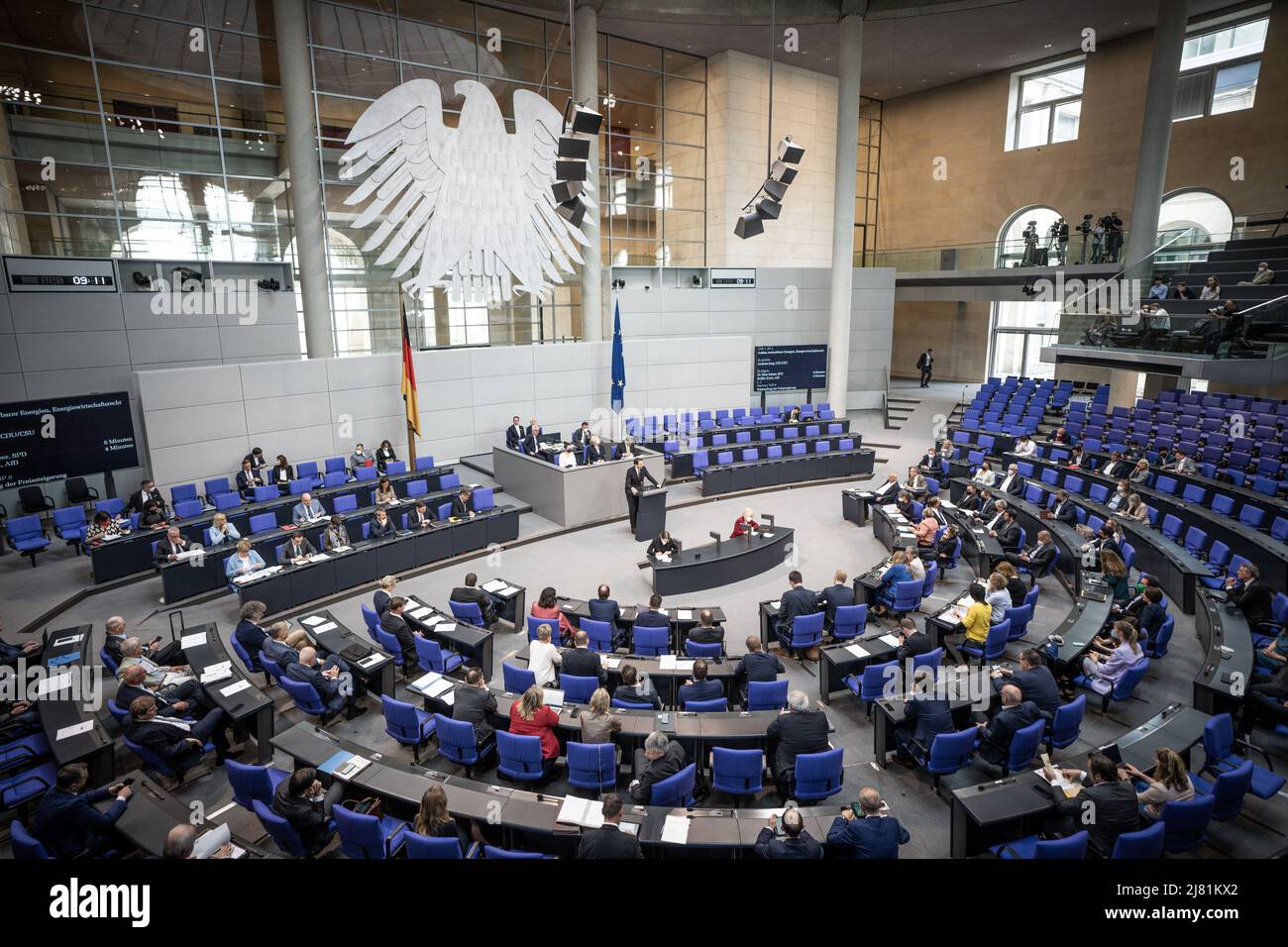
The Bundestag has approved a tax-free relief premium of up to 1,000 euros for employees, clearing the legislative path despite skepticism from business groups and sharp criticism from opposition parties. The measure, tied to economic strain from the Iran conflict, passed with the votes of the CDU-SPD coalition whereas the AfD and Left voted against and the Greens abstained.
The relief premium, which employers may pay voluntarily through June 2027, is designed as a direct response to rising living costs, particularly energy and fuel prices. Employers can claim the payment as a tax-deductible business expense, meaning employees receive it tax-free. The state estimates the measure will cost up to 2.8 billion euros in lost tax revenue, to be offset by a planned increase in tobacco tax — though specific details remain unspecified.
Business associations have reacted cautiously, warning that many firms, especially amid weak economic conditions, cannot afford the additional burden. The DGB acknowledged the premium could support collective bargaining — but only if paid in addition to regular wages, not as a substitute. Unions reiterated their long-standing concern that one-time payments like this are often used to avoid genuine wage increases.
Parallels to past crisis measures were drawn during the debate, with supporters noting similarities to pandemic-era and post-Ukraine-war energy relief schemes. CDU MP Fritz Güntzler emphasized that the state cannot compel companies to pay the premium, reinforcing its voluntary nature. SPD MP Frauke Heiligenstadt defended the coalition’s approach, stating they were acting because “no other party’s proposal works directly” and that swift action was necessary.
The debate intensified over a separate but related proposal: a 17-cent-per-liter fuel discount. CDU MP Stefan Korbach argued the tank rebate would swiftly relieve citizens and companies, be administratively light, and target those most in need, while the cartel office would monitor oil firms to prevent excessive profits. He too claimed it could ease inflationary pressures.
AfD deputy leader Kay Gottschalk announced his party would support the fuel rebate but condemned it as insufficient and poorly timed, criticizing its expiration before summer holidays as “not honest with hardworking people.” He demanded a permanent increase in the commuter allowance to 50 cents per kilometer, accused policymakers of years of “tax ambush” by neglecting inflation adjustments, and called for cutting energy taxes, abolishing CO₂ pricing, and reducing mineral oil tax to 7 percent — warning the current path risks “deindustrialization” and an “economic policy catastrophe.”
CDU MP Mechthilde Wittmann countered that the state cannot alleviate every life risk, suggesting such thinking contributed to current pressures, while affirming support for daily commuters. The coalition’s narrow passage of the relief premium highlights a broader tension: immediate relief versus long-term structural solutions, with businesses wary of cost and unions vigilant against wage substitution.
Will employees automatically receive the 1,000 euro relief premium?
No. The premium is a voluntary benefit that employers may choose to pay; there is no legal entitlement for employees to receive it.

How is the state planning to finance the estimated 2.8 billion euro cost of the tax-free premium?
The government intends to offset the lost tax revenue by increasing tobacco tax, though specific implementation details have not yet been released.
Verwandte Artikel


