
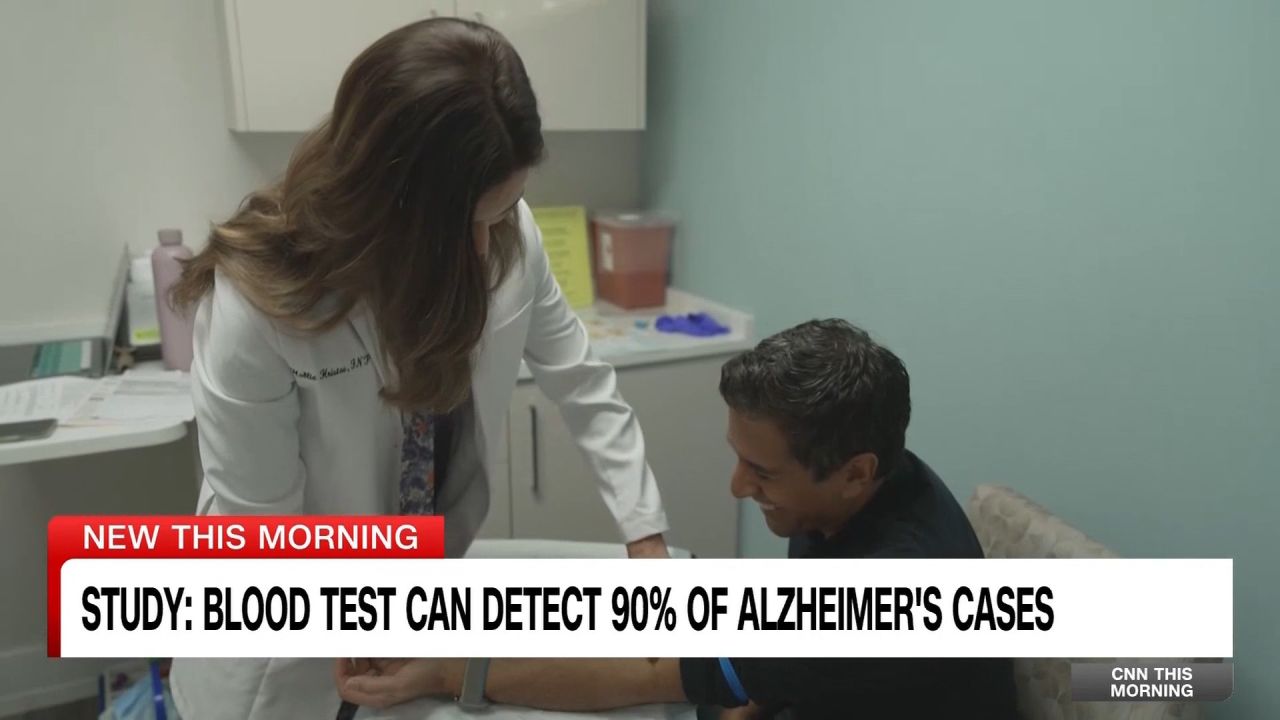
New blood tests and AI-driven sleep analyses can now identify Alzheimer’s risk up to 20 years before a patient shows a single clinical symptom. Data released in April 2026 confirms that early detection has reached market maturity, shifting the diagnostic window from reacting to memory loss to predicting pathology in healthy adults.
Blood biomarkers are outperforming traditional brain scans
Modern diagnostic systems, such as Lumipulse G, are achieving hit rates exceeding 90 percent. These tests target the pTau217 protein to detect Alzheimer’s pathologies long before the brain suffers visible structural damage.
The Harvard Aging Brain Study confirms that these blood tests can predict amyloid deposits in cases where conventional PET scans remain unauffällig. A study of 317 healthy adults aged 50 to 90 suggests the diagnosis window can be moved forward by 15 to 20 years.
Women face a steeper risk profile. A long-term study from the University of California San Diego involving 2,766 female participants found that those with the highest p-tau217 levels had a sevenfold increase in subsequent dementia risk.
AI analysis of sleep patterns reveals biological brain age
Researchers at UCSF and the Beth Israel Deaconess Medical Center used AI to analyze sleep-EEG data from over 7,000 people. They developed the Brain Age Index to measure the gap between a patient’s chronological age and their brain’s biological age.
Every ten-year increase in biological brain age correlates with a 40 percent rise in dementia risk. The AI identifies these risks through reduced delta waves during deep sleep and specific alterations in sleep spindles.
This biological degradation centers on the glymphatic system, the brain’s waste-clearance mechanism. Because this system only operates at peak efficiency during deep sleep to flush out beta-amyloid deposits, chronic sleep disorders increase neurodegenerative risk by 40 percent.
OpenAI Foundation is funding a $100 million research push
The OpenAI Foundation has committed $100 million (€92 million) to accelerate AI-supported Alzheimer’s research. These funds target the development of new drug compounds and the modeling of disease progression.
Digital early-warning systems are expanding beyond the lab. Research from the University of Geneva shows AI can now predict emotional and cognitive states using data from consumer smartwatches.
Early detection lacks a corresponding therapeutic breakthrough in Germany
A stark gap exists between the ability to diagnose and the ability to treat. While early identification is critical for using antibodies like Lecanemab, the G-BA in Germany has rated current therapies as providing little added benefit.
Medical professionals are shifting their immediate clinical focus. Instead of prescribing sleep medication for those with high-risk sleep profiles, doctors now prioritize cognitive behavioral therapy to preserve the glymphatic system’s cleaning function.
Data privacy laws don’t fully cover the new diagnostic reality
The ability to predict dementia two decades in advance creates a liability for employees. While Germany’s Genetic Diagnostics Act prohibits using such data for personnel decisions, experts argue that current labor laws aren’t equipped for non-genetic biomarkers.
Preventative efforts now target modifiable risk factors, which contribute to up to 50 percent of dementia cases. The Cleveland Clinic’s Women’s Alzheimer’s Movement is one example of a program attempting to personalize risk reduction for women, who often receive diagnoses later than men.
How much earlier can these tests actually detect Alzheimer’s?
Blood tests and digital biomarkers can identify at-risk patients up to 20 years before the first clinical symptoms appear.
Why is deep sleep specifically linked to dementia risk?
Deep sleep activates the glymphatic system, which is responsible for transporting harmful protein deposits like beta-amyloid out of the brain; failure in this process increases neurodegenerative risk by 40 percent.
Auch interessant


