
The Moscow Exhibition and the Telegram Manifesto
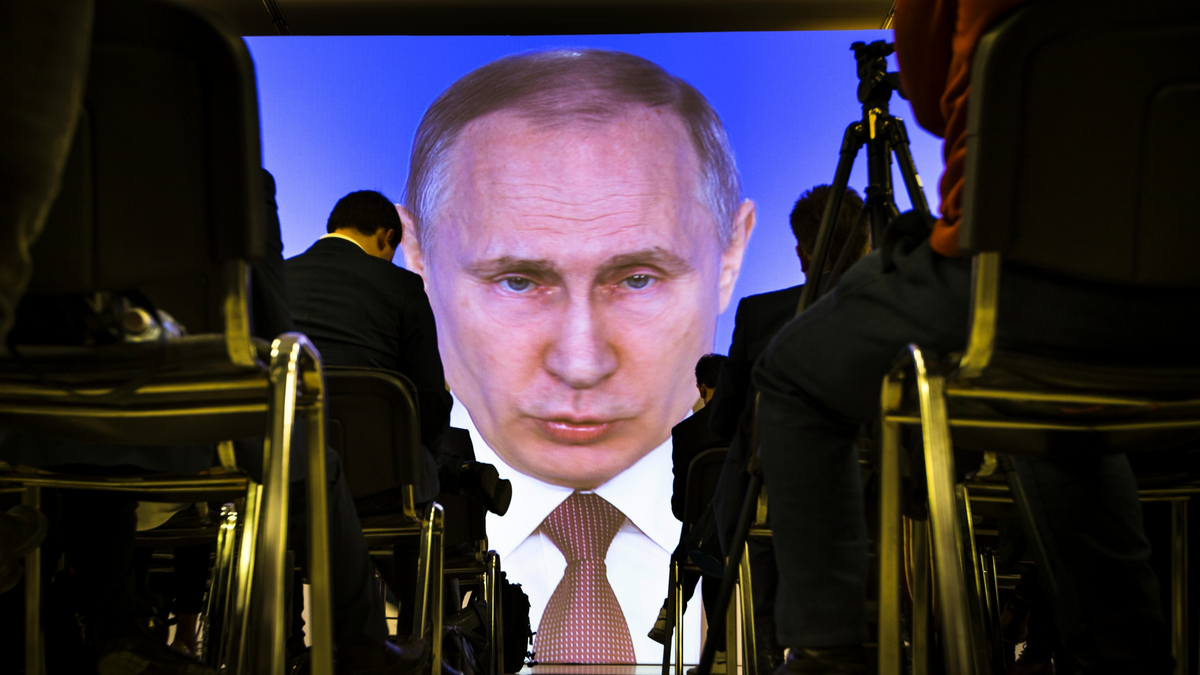
In April 2026, Putin appeared at an exhibition in Moscow, an event designed to project stability. While the presentation aimed to reinforce control, a parallel narrative was unfolding online. Earlier that year, Ilja Remeslo, a former Kremlin-aligned lawyer and blogger with a substantial Telegram following, published a document titled Fünf Gründe, warum ich aufgehört habe, Wladimir Putin zu unterstützen
. The manifesto marked a significant departure: Remeslo, who had previously targeted opposition figures like Alexei Navalny, now labeled Putin an illegitimen Präsidenten
and a Kriegsverbrecher
, accusing him of leading Russia into a costly conflict that had devastated lives, the economy, and free expression.
Authorities responded swiftly. Remeslo was detained and placed in a psychiatric clinic in St. Petersburg. However, the move appeared counterproductive. After his release, he continued his criticism, describing his confinement and maintaining his public stance. His case is part of a broader trend. Across Russia’s pro-war media landscape, figures who once supported the regime are now challenging its core justifications.
Propaganda’s Stützpfeiler Begin to Wobble
The criticism is emerging not from traditional opposition groups or exiled critics, but from within the pro-war camp itself. Military bloggers, who previously amplified Kremlin narratives, are now scrutinizing failures on the front lines. Channels like Rybar, with a large subscriber base, have shifted from tactical updates to broader critiques of political leadership and stalled military efforts, describing the messaging as tote Propaganda
. The tone has evolved from operational concerns to direct questioning of the regime’s competence.

This internal division highlights a challenge for the Kremlin. The government has relied on hardliners to suppress dissent, but these figures now use the same platforms—Telegram, YouTube, and niche forums—that the regime once used to counter opposition. Their audience extends beyond disaffected groups to include the base that Putin has cultivated over years. The dynamic has created a situation where criticism from within the system is gaining traction.
For more on this story, see Iranian Foreign Minister Abbas Araghchi to Meet Putin in Moscow Amid War with U.S.-Israel Coalition.
A review of Russia’s digital dissent reveals activity in regions with strong military ties, such as Rostov and Krasnodar. Bloggers and influencers operate in a precarious space: tolerated to avoid outright censorship but monitored closely. The balance appears to be shifting, as some figures now see greater risk in silence than in speaking out.
The Triggers: Military Stagnation and Economic Strain
The criticisms are rooted in tangible concerns. After years of conflict, military progress has slowed, and the human toll has become increasingly visible. Hardliners, who once dismissed reports of casualties, now reference them as evidence of mismanagement. Economic pressures have also intensified. Sanctions have reduced living standards, and the regime’s claims of resilience contrast sharply with the experiences of those who remember pre-2022 conditions. Inflation, supply shortages, and the departure of skilled workers are affecting the demographic that once formed the core of Putin’s support.
Remeslo’s manifesto encapsulates these frustrations. He frames the war not just as a policy failure but as a betrayal of national interests, benefiting a few while harming many. His use of terms like Dieb
taps into deeper resentments that predate the invasion but have been amplified by it. The argument is not merely about policy but about the regime’s legitimacy.
Regime Resilience and the Limits of Containment
Putin’s regime has navigated previous crises, including protests and internal challenges. Its survival has depended on two approaches: repression and controlled dissent. The first involves detentions and censorship, while the second allows limited criticism within managed channels to prevent broader unrest. However, the current wave of dissent suggests these methods may be reaching their limits. The critics are not marginal figures but insiders familiar with evading censorship, whose audiences are already receptive to their messages.
This follows our earlier report, Trump considers inviting Putin to Miami G20 summit despite Ukraine war tensions.
The question remains whether this dissent will expand beyond digital spaces. So far, criticism has largely remained confined to Telegram and niche forums, but the trend is concerning for the Kremlin. In earlier years, Putin could dismiss opposition as disloyal; now, he faces defections from his own supporters. While immediate collapse is unlikely, the narrative sustaining his rule is showing signs of strain. If hardliners begin to view Putin as a liability, the regime’s cohesion could weaken in ways that are difficult to reverse.
For Western policymakers, these developments present both opportunities and challenges. The fractures within Russia’s pro-war camp do not indicate an imminent end to the conflict, but they suggest a regime under increasing pressure. Sanctions, military aid to Ukraine, and diplomatic efforts have long aimed to weaken Putin’s position; internal dissent could enhance their impact. The key will be to respond carefully, avoiding overestimations of the regime’s vulnerability while recognizing its capacity for repression.
In the coming months, attention should focus on the platforms where dissent is growing, particularly Telegram. If the Kremlin moves to restrict access or intensify crackdowns, it may signal heightened concern. Equally important will be the response from regional elites and security services, whose loyalty has historically been transactional. If the costs of supporting Putin begin to outweigh the benefits, the regime’s foundation could shift. For now, the propaganda system has developed cracks—but whether they will widen or stabilize remains uncertain.


