
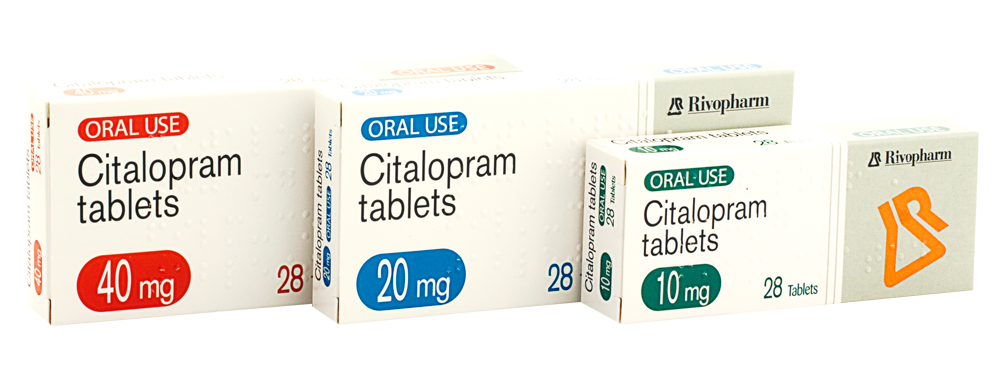
Christin Nichols stepped onto the Werkstatthaus stage in Stuttgart on April 23, 2026, and declared the vaulted cellar a birthday party for everyone in the room — then launched into a ferocious rendition of “Citalopram,” a song that both celebrates and condemns the antidepressant that shares its name.
The performance was more than a concert; it was a communal reckoning. As Nichols asked who in the audience had experience with Citalopram, a startling number of hands rose — a moment that crystallized the core of her new self-titled album: a raw, genre-blurring exploration of mental health, late-stage capitalism, and the relentless push-pull between despair and defiance. The album, released April 24 via PIAS, fuses 80s and 90s post-punk aesthetics with lyrics that dissect everything from PMDD to systemic misogyny, all delivered with a voice that swings from whisper-soft confessions to punk-rock screams.
Nichols’ work refuses tidy categorization. Tracks like “Spotlight” and “Unsterblich” surge with the kinetic energy of a “line of cocaine or a balloon full of laughing gas,” as one critic put it — short, intense highs followed by inevitable crashes. Yet beneath the sonic volatility lies a consistent feminist current: self-determination as non-negotiable. In “Today I Choose Violence,” she dedicates each performance to a different man embodying casual sexism, admitting she now struggles to know where to begin. Elsewhere, she frames emotional labor not as therapy but as retail therapy — “a pair of glossy Chelsea Boots” — acknowledging the absurdity although refusing to moralize survival.
The Stuttgarter crowd wasn’t just an audience; Nichols called them her “partner in crime,” joking they were committing something illegal together by pre-selling the album before its official release. That rebellious spirit echoes her earlier breakthrough with “Citalopram” two years prior, which similarly turned personal pharmacology into public anthem. But where that song invited solidarity through shared struggle, the new album pushes further — into anger, into irony, into the uncomfortable truth that healing isn’t linear, and sometimes the most radical act is simply refusing to apologize for existing.
How the album’s sound mirrors its emotional volatility
The musical architecture of Nichols’ new work directly reflects its lyrical themes: verses often retreat into sparse, melancholic synth lines before exploding into distorted guitar-driven choruses. This quiet-loud dynamic, while occasionally predictable, serves a purpose — it mimics the psychological rhythm of depressive episodes and manic rebounds, turning composition into catharsis. Songs like “Bittere Pillen” and “Noch wach” don’t just describe emotional whiplash; they induce it in the listener, making the album not just heard but felt.

Why the feminist subtext avoids didacticism
Nichols never lectures; she implicates. When she sings about demanding her partner “break my will to increase my lust,” she frames it within a consensual, self-aware dynamic — not a call for abuse, but a critique of how female desire is still policed, even in intimacy. The shift from “relationship drama” to naming systemic harm as “femicide” in her lyrics isn’t metaphorical; it’s a deliberate linguistic refusal to minimize violence against women. This approach allows her to explore power without reducing her characters to victims or villains.

What her continued club-circuit presence signifies
Despite her growing influence, Nichols insists on playing modest venues — clubs and halls under 500 capacity — even as observers note she could fill arenas. This choice reinforces her ethos of accessibility and authenticity; the intimacy of these spaces allows for the raw, unfiltered exchange she cultivates on stage, where a shouted lyric or a raised hand becomes part of the performance. It’s a rejection of the star apparatus in favor of a reciprocal relationship with listeners who see their own struggles reflected and transformed in her music.
How does Christin Nichols balance personal expression with political resonance in her music?
She grounds broad societal critiques in specific, lived experiences — like taking Citalopram or navigating PMDD — allowing listeners to discover both personal recognition and collective meaning in her lyrics without sacrificing either.
Why does Nichols reject the expectation that her music must be ‘therapeutic’?
She challenges the notion that art about mental health must offer solutions, arguing that validating pain and celebrating small joys — like new boots or a loud chorus — are legitimate forms of survival in themselves.
Auch interessant


