
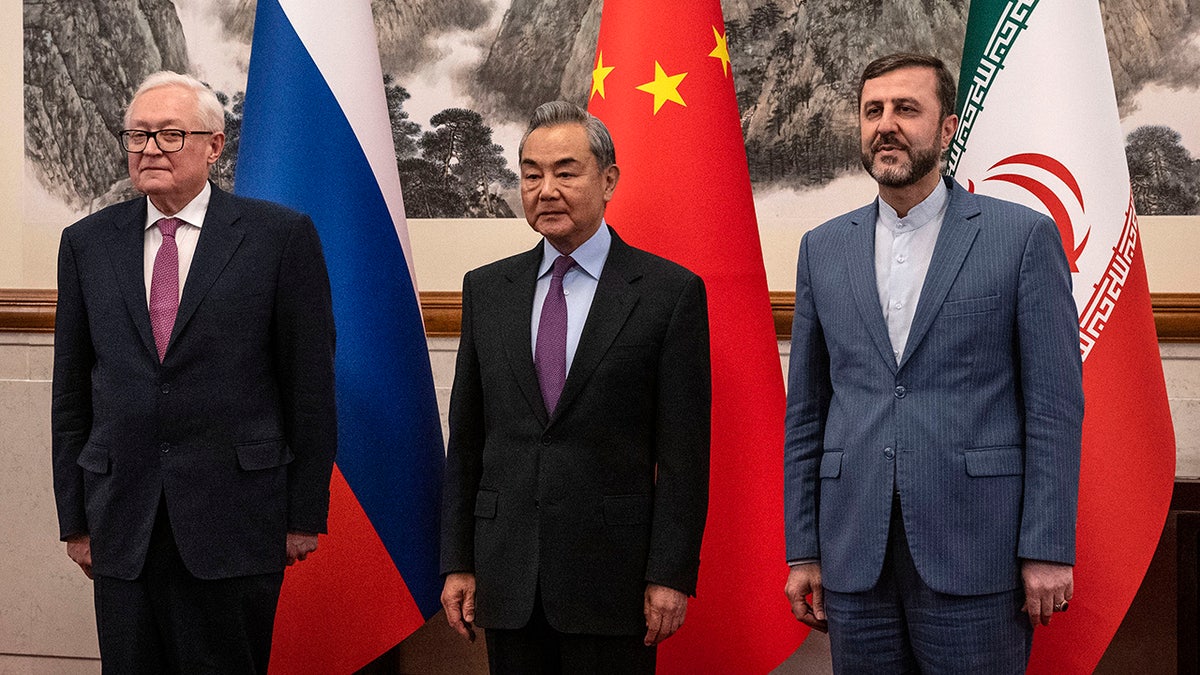
Iran’s foreign minister presented a peace framework to mediators in Pakistan on April 25, 2026, but Tehran rejected further talks under current conditions, according to Iranian officials.
The framework, offered after diplomatic outreach to regional mediators, did not meet Iran’s criteria for acceptable negotiations, prompting the government to suspend engagement until external pressures ease.
In response, U.S. President Donald Trump canceled a planned trip by American envoys to the region, citing Tehran’s refusal to make a satisfactory offer as the basis for the decision.
Trump stated publicly that Iran’s proposal lacked substance and failed to address core U.S. And Israeli demands regarding nuclear enrichment and regional influence.
The cancellation marks a sharp escalation in the ongoing U.S.-Israel-led pressure campaign against Iran, which has included intensified sanctions and military posturing over the past six months.
Iranian officials maintain that talks cannot proceed while the country faces what they describe as an economic and military siege, including restricted oil exports and limited access to international financial systems.
No new date for resumed negotiations has been proposed by either side and diplomatic channels remain inactive as of April 26, 2026.
Why talks collapsed despite Iranian mediation effort
Iran’s foreign minister traveled to Islamabad to present a framework aimed at de-escalation, but officials in Tehran concluded the offer did not guarantee sanctions relief or security assurances.
The framework reportedly included temporary limits on uranium enrichment in exchange for phased sanctions easing, but Iranian leadership deemed the concessions insufficient and unverifiable.
Tehran insists any agreement must include full removal of U.S. Secondary sanctions and a binding commitment against military action, conditions Washington has repeatedly rejected.
Mediators from Pakistan and Oman facilitated the exchange but could not bridge the gap between maximalist positions on both sides.
What Trump’s envoy cancellation signals about U.S. Strategy
By calling off the envoy trip, Trump avoided a public diplomatic failure and reinforced the administration’s stance that Iran must initiate meaningful concessions first.
The move aligns with a broader strategy of applying maximum pressure while avoiding direct engagement until Iran alters its nuclear and regional behavior.
U.S. Officials have not ruled out future talks but insist Iran must first demonstrate verifiable steps to reduce enrichment levels and cease support for allied militias.
Israeli officials welcomed the cancellation, stating it confirms Iran’s unwillingness to negotiate in good faith under current terms.
What caused Iran to reject the peace framework?
Iran rejected the framework because it did not provide guaranteed sanctions relief or security guarantees against military action, which Tehran considers essential for any deal.

Will U.S.-Iran talks resume in the near future?
Talks remain suspended with no new date proposed. resumption depends on Iran offering concessions the U.S. Deems satisfactory, which has not occurred as of April 26, 2026.


