
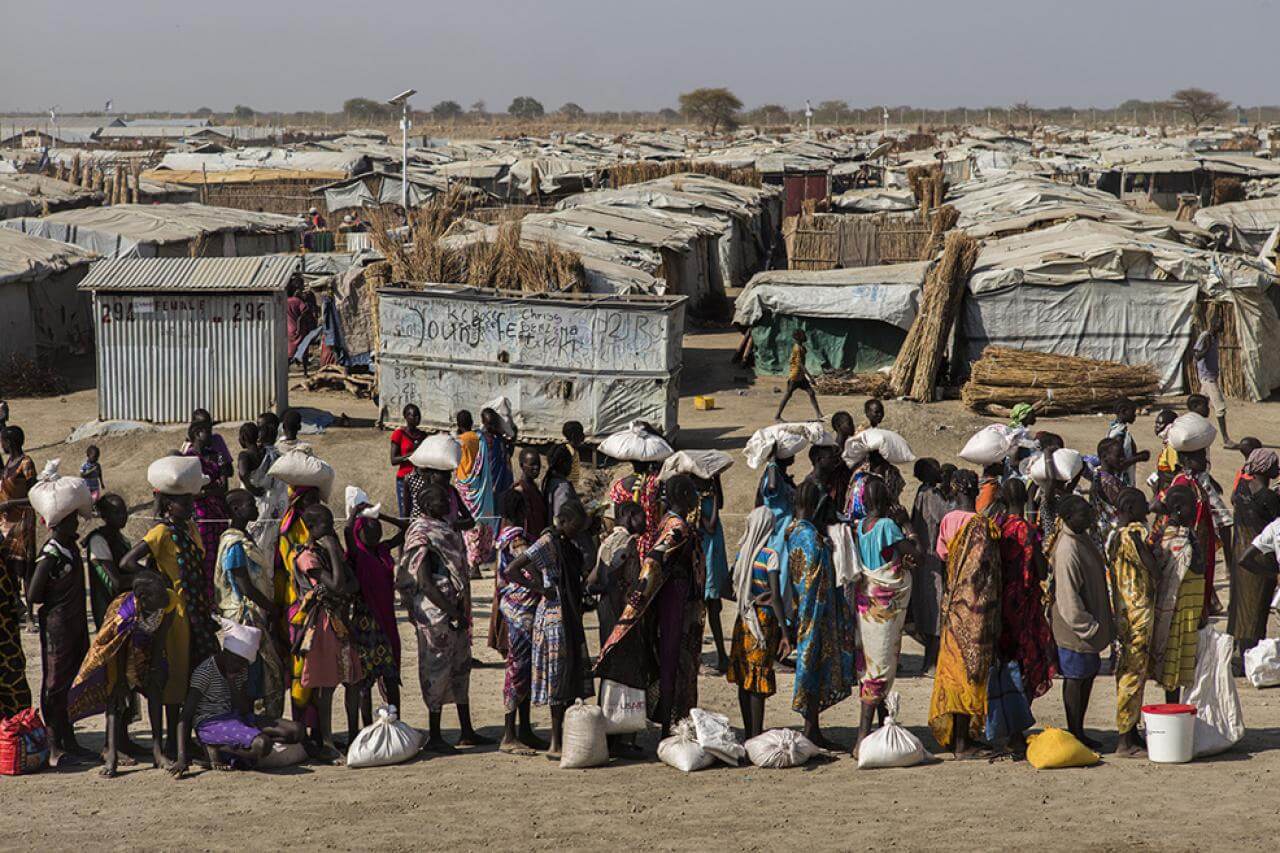
UN Emergency Relief Coordinator Tom Fletcher warned the Security Council on April 18 that South Sudan faces imminent risk of full-scale famine and state collapse as fighting intensifies and the UN peacekeeping mission is scaled back.
How the peacekeeping drawdown is worsening the crisis
The UN Mission in South Sudan (UNMISS) is reducing its presence just as violence between rival factions is spreading to new areas, disrupting farming and blocking aid routes. Fletcher said this combination is pushing the country toward a tipping point where humanitarian access could grow impossible in the worst-affected zones. Without protection for convoys and distribution points, food aid cannot reach those most in necessitate.
Why famine declarations are delayed until it’s too late
Humanitarian agencies leverage a five-phase scale to classify food insecurity, with famine only declared when mortality rates exceed two deaths per 10,000 people per day and acute malnutrition affects over 30% of children. By the time these thresholds are met, tens of thousands may already have died. Fletcher warned that waiting for formal declaration risks repeating past failures where early warnings were ignored until catastrophe was unavoidable.
What So for regional stability
A full-scale famine in South Sudan could trigger mass displacement into neighboring Uganda, Sudan, and Ethiopia, straining their resources and increasing pressure on already fragile host communities. The economic collapse of South Sudan would too disrupt regional trade networks and increase the risk of armed groups exploiting the vacuum to expand illicit activities. Fletcher urged the Council to reverse the peacekeeping cuts and increase funding for emergency food assistance before the planting season ends.

What is the current level of food insecurity in South Sudan?
According to the latest IPC analysis cited by UN agencies, over 7.7 million people — nearly two-thirds of the population — are facing acute hunger, with 1.4 million in emergency conditions (IPC Phase 4) and tens of thousands already in catastrophe (IPC Phase 5) in isolated areas.
Can aid still reach people if fighting continues?
Aid operations are still functioning in accessible areas, but Fletcher said that without secure corridors and protection for aid workers, deliveries will become increasingly sporadic and eventually collapse in high-conflict zones where looting and roadblocks are common.
Weiterlesen


